At its core, earned value is
simple. It asks one key question:
For the time and money we’ve
spent, how much work have we actually completed?
Earned value brings cost
and progress together, allowing project teams to measure work completed
rather than relying on estimates or guesses. By knowing what’s genuinely
finished, teams can have honest conversations about project performance,
identify issues early, and avoid costly surprises.
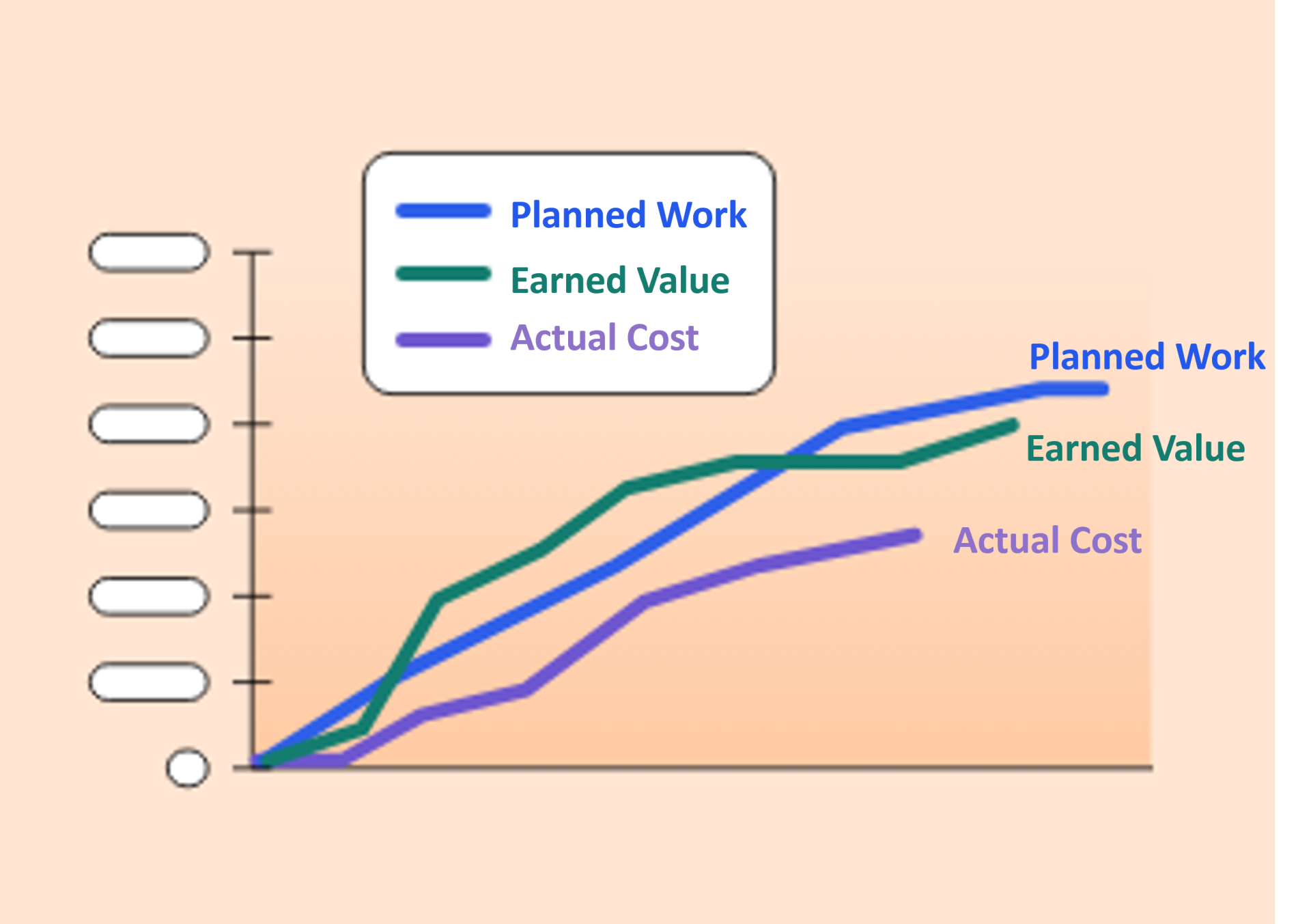
Earned value compares three
simple things:
- Planned work – What we intended to complete by now.
- Actual completed work – What has actually been finished.
- Actual cost – What has been spent to achieve that progress.
By comparing these metrics, teams can see if a project is ahead or behind schedule, over or under budget, without waiting for end-of-month reports.
The accuracy of earned value
depends entirely on reliable progress data. If the reported progress is wrong,
the earned value calculations are meaningless.
This is where Dalux comes in.
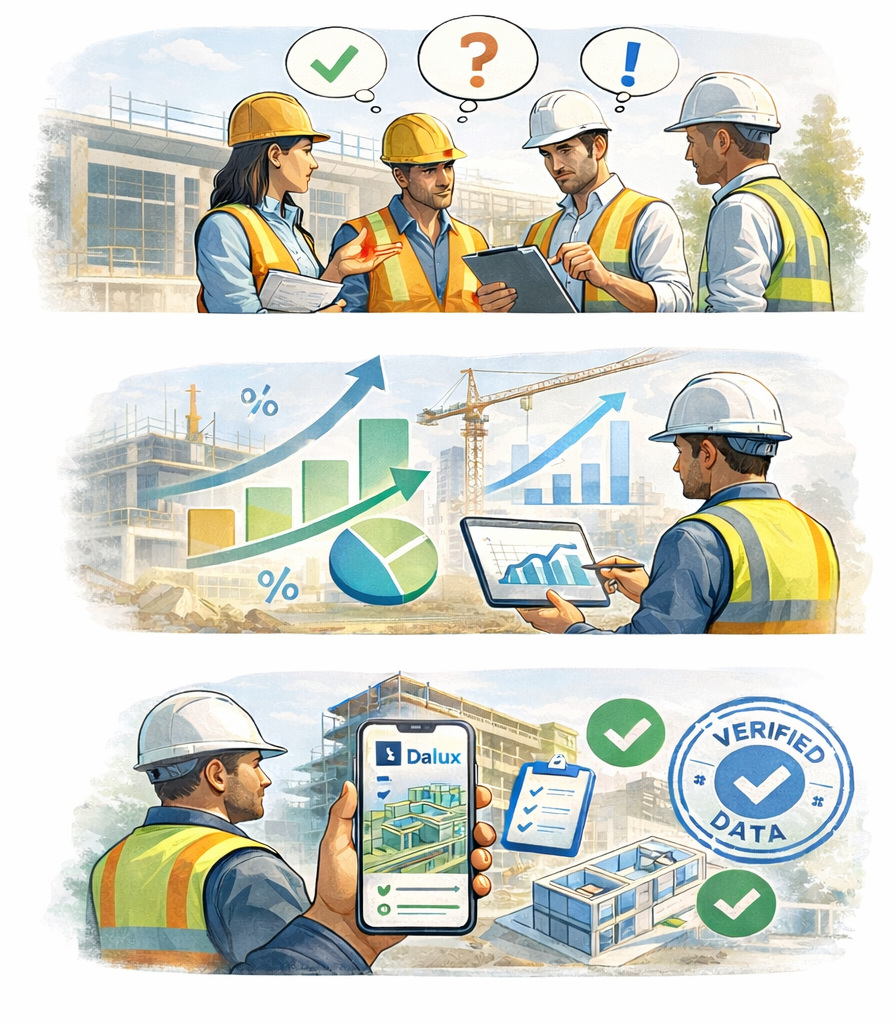
Progress on a construction site can often be subjective, with different
people giving different estimates for the same work. Dalux removes these
subjective opinions and replaces them with verified, evidence-based data.
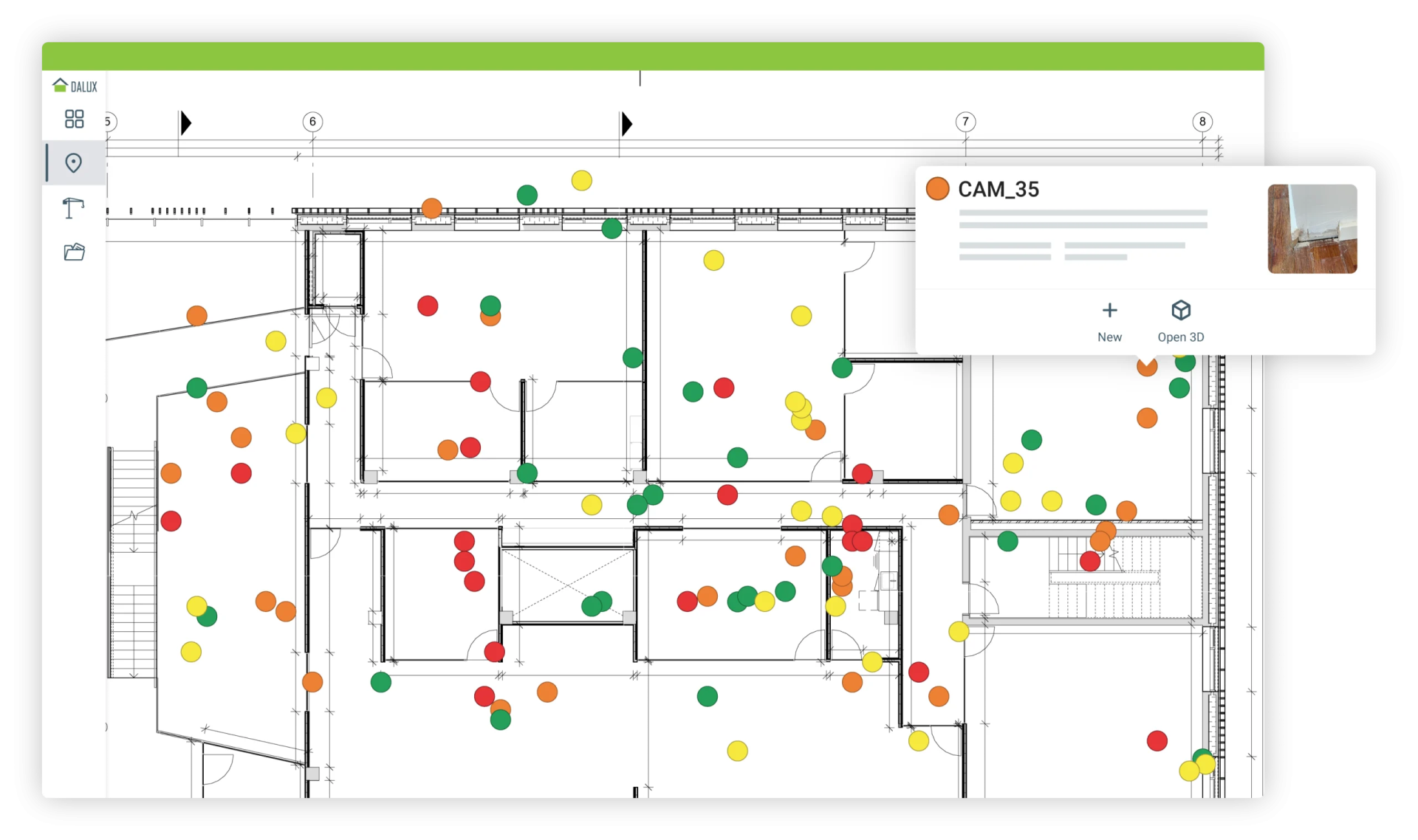
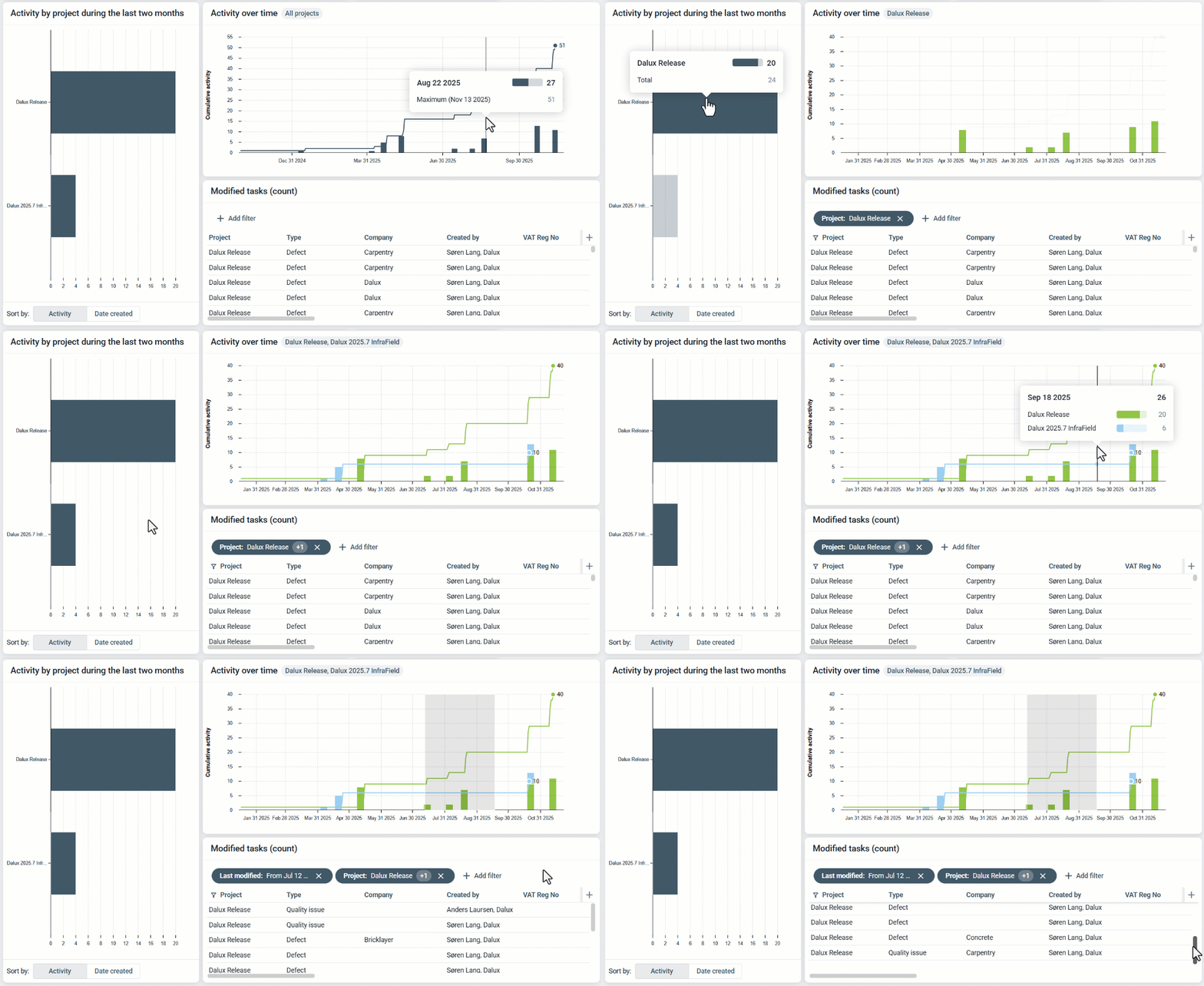
Using tasks, checklists, and inspection plans, Dalux ensures that everyone is looking at the same facts, leading to better decisions and fewer disputes.
- Tasks:
Capture work that needs to be done or fixed, assign responsibility, and
ensure completion.
- Checklists:
Confirm work meets all required steps before being considered complete.
- Inspection plans: Define the checks that must be passed for work
to be accepted.
Each of these creates a clear, auditable trail of progress, showing exactly what has been done, when, and where on site.
Once progress is verified, earned value can be calculated:
- Plan Value (PV) – The expected progress according to the project plan.
- Earned Value (EV) – The actual progress completed and verified on
site.
- Actual Cost (AC) – What has been spent to achieve the verified
progress.
Comparing PV, EV, and AC
allows teams to see:
- If the project is ahead or behind schedule.
- If the project is under or over budget.
This provides an early warning system so issues can be addressed before they escalate.
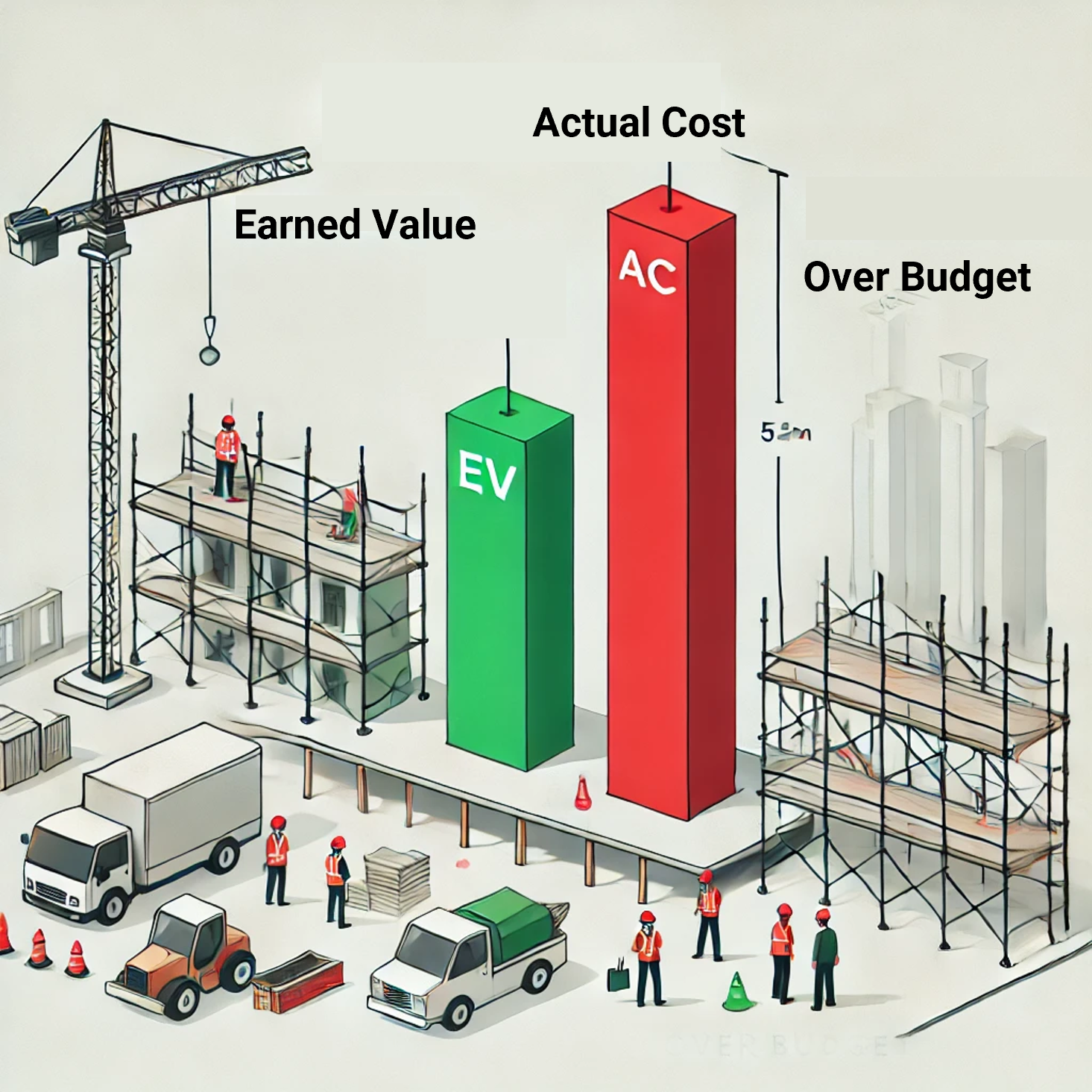
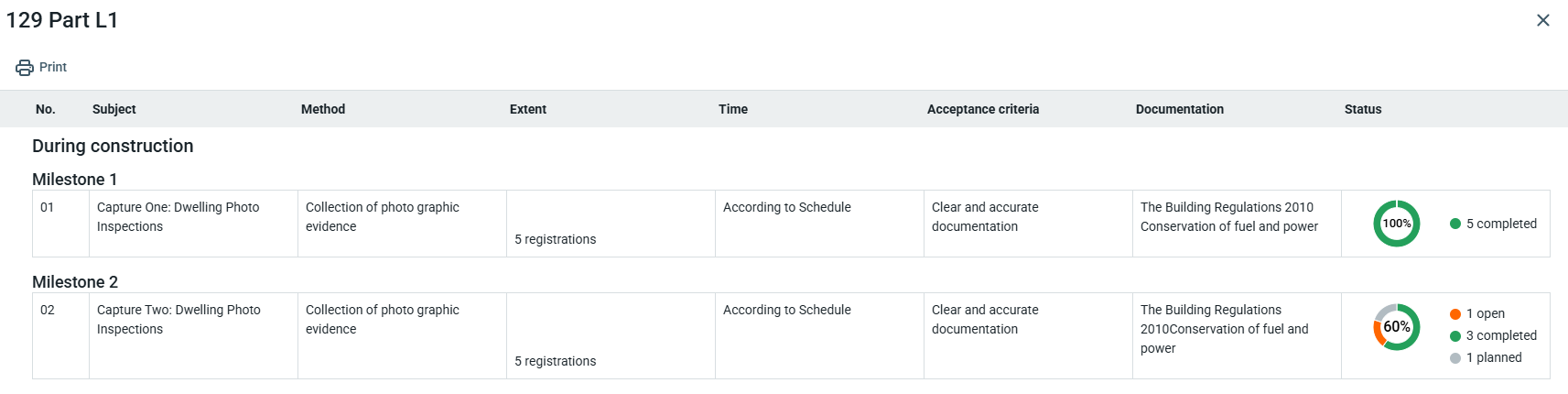
Imagine a project with five inspection plans, each with a budget of £10,000.
By the scheduled date:
- Planned Value (PV): 100% (£10,000)
- Completed Inspections (EV): 3 out of 5 (60%, £6,000)
- Actual Cost (AC): £10,000
In this case, the earned value shows that the project is £4,000 behind on cost, even though all the money has already been spent. This simple insight allows teams to act early and objectively.
Dalux is not a cost system
or planning software. It doesn’t replace commercial tools or schedules.
Instead, it strengthens them by providing a single, trusted source of
verified progress data.
By combining evidence-based progress tracking with earned value management, Dalux enables teams to:
- Make better, earlier decisions
- Reduce disputes over work completion
- Clearly see whether planned work aligns with actual progress and costs
- Earned value is a powerful way to measure project
performance.
- Accurate progress data is essential—without
it, earned value fails.
- Dalux provides evidence-based tracking with
tasks, checklists, and inspections.
- Comparing planned value, earned value, and actual
costs gives teams an early warning system.
- Dalux does not replace planning or cost tools but
strengthens decision-making by providing clear, trusted data.
With Dalux, earned value
management becomes practical, transparent, and reliable, giving
construction teams the confidence to track performance and make informed
decisions every step of the way.